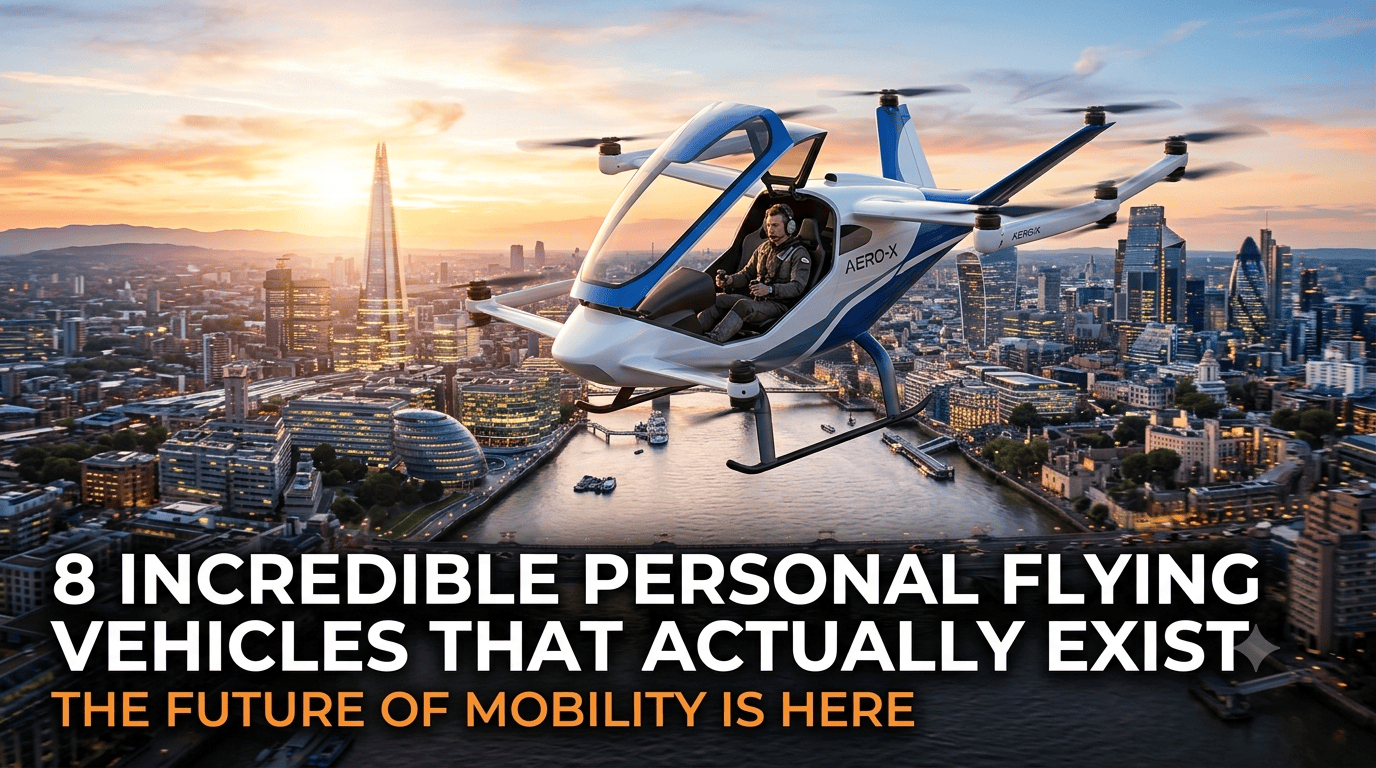
Right now, something is happening in aviation that most people have absolutely no idea about. Engineers and inventors have been quietly building machines capable of doing things that all of us believed were impossible just a few years ago. We are talking about real personal flying vehicles—not concepts locked away in laboratories or computer renderings.
These machines can actually fly. Some cost less than a luxury car, and one of them is so easy to operate that you do not even need a pilot’s license. From flying motorcycles to autonomous air taxis, here are 8 of the most incredible personal flying inventions ever built, ranked up to the one you can actually buy today.
8. The Volinaut Airbike: A Real-Life Star Wars Speeder
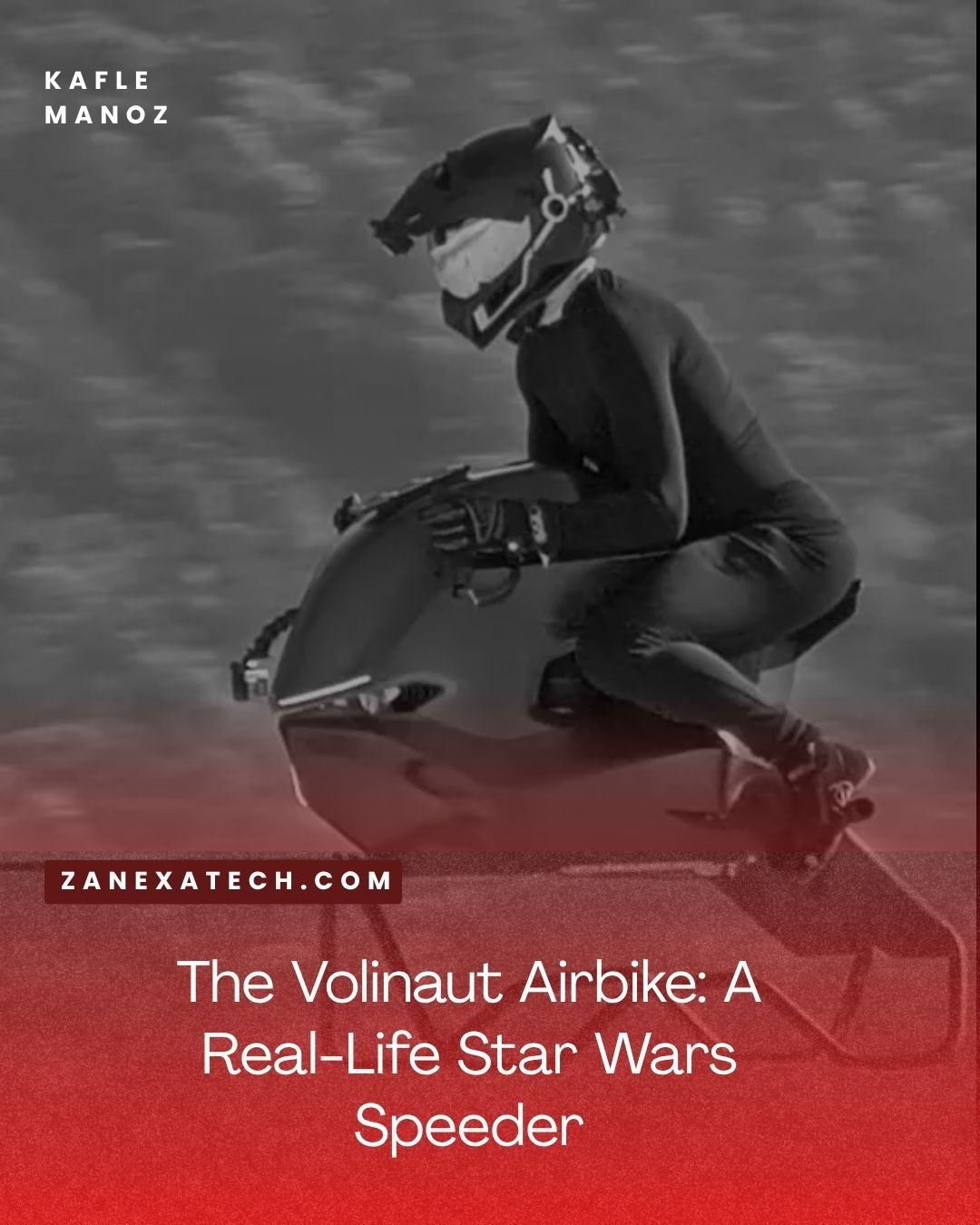
When the first footage of this machine appeared online, almost the entire internet believed it was a computer-generated fake. It looked exactly like a speeder bike from Return of the Jedi, hovering flawlessly between rows of trees without any wheels or visible propellers.
- Top Speed: 124 mph (200 km/h)
- Weight: 30 kg (built with carbon fiber and 3D-printed parts)
- Power: Diesel, biodiesel, or jet fuel (10-minute flight time)
- Price: ~$88,000 (Prototype phase)
Developed by Polish engineer Tomas Patan, the Volinaut Airbike is a real jet-powered flying motorcycle. It relies entirely on jet thrust, meaning there are no exposed blades to strike obstacles, allowing it to weave through dense forests. It even features automatic hover-balancing, making it incredibly easy to ride.
7. The Xpeng X2: An Automaker Takes to the Skies
Chinese automaker Xpeng is best known for its electric cars, but its dedicated aviation division has produced something much more ambitious: the Xpeng X2.
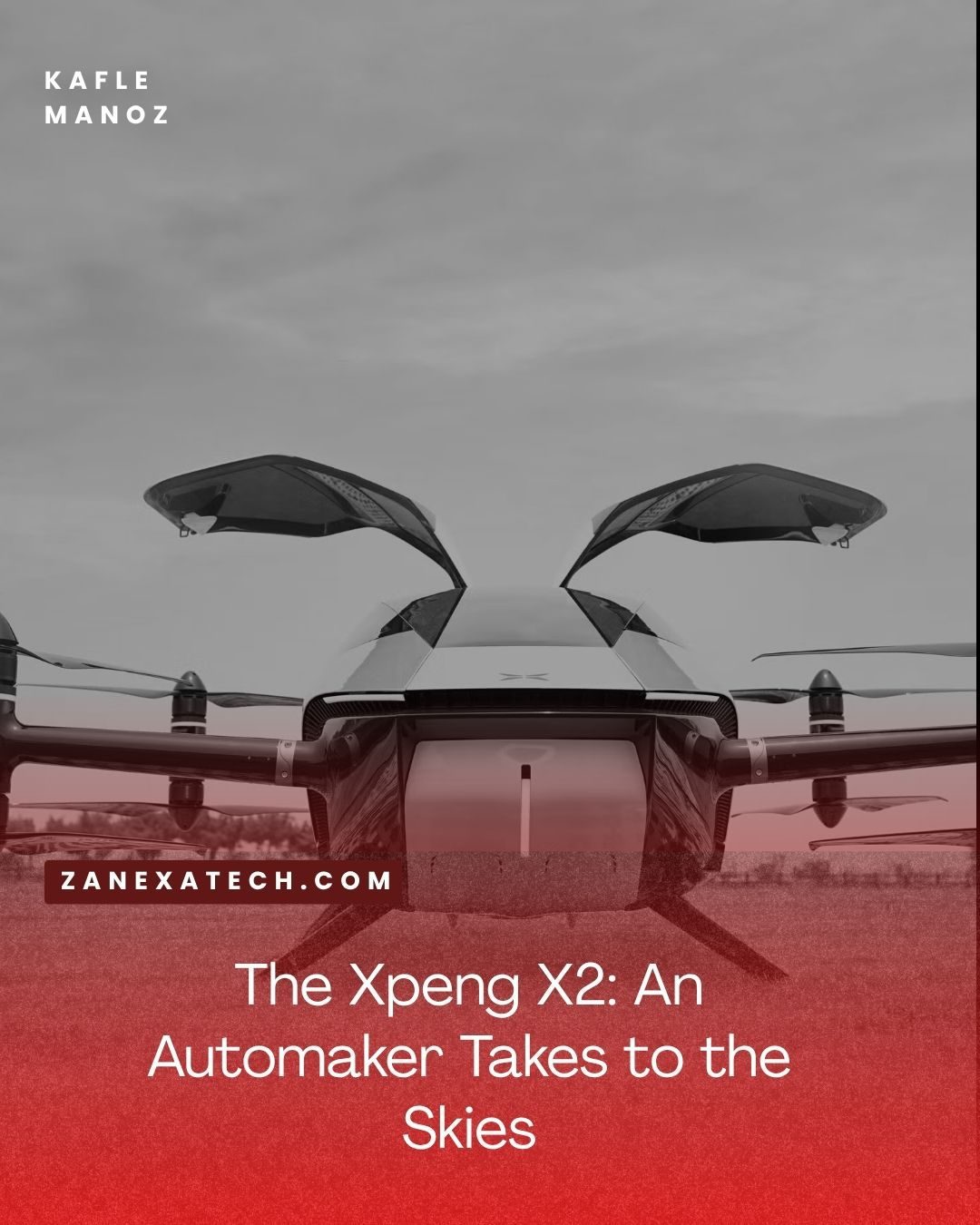
- Top Speed: 130 km/h
- Capacity: 2 passengers
- Operation: Simple flight software instead of traditional pilot controls
This two-seat aircraft takes off vertically without needing a runway. It looks like a streamlined passenger pod with roof-mounted propellers, and because it runs entirely on electricity, it lacks the deafening noise of a traditional helicopter. It has already been successfully demonstrated over the deserts of Dubai.
6. The Lexus Hoverboard: The Childhood Dream Realized
For decades, an entire generation dreamed of the hoverboard from Back to the Future. Lexus decided to actually build it.
The Lexus hoverboard doesn’t use wind or propellers; it relies on magnetic levitation. Inside the board are superconductors cooled with liquid nitrogen to incredibly low temperatures (which is why white vapor pours from its sides). These interact with special magnets hidden beneath the ground to create pure, frictionless floating. While it was only a promotional project that requires a custom-built magnetic skatepark to function, it proved that floating transportation is grounded in real science, not just movie magic.
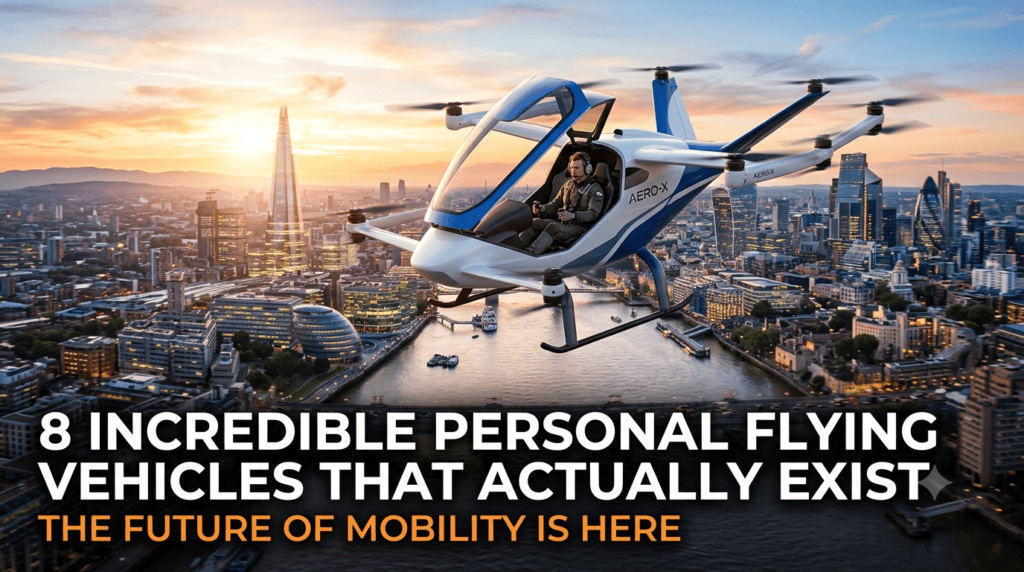
5. The Autoflight Prosperity 1: The Electric Air Taxi
While most personal flying vehicles fit one or two people, the Autoflight Prosperity 1 is built for a crowd. Built in China, this aircraft is designed to carry up to five people at once, including the pilot.
It features a hybrid design: multiple propellers allow it to take off vertically like a helicopter, which then rotate forward so it can cruise efficiently like an airplane. This is a major step toward replacing traditional ground taxis for intercity travel.
- Range: Over 250 km on a single charge
- Capacity: 5 people
- Status: Currently undergoing official certification for commercial operators
4. The Flyboard Air: The Superhero Skateboard
In 2019, millions watched live as a man holding a rifle hovered hundreds of meters above the Seine River in Paris during the Bastille Day military parade. That man was French inventor Frankie Zapata, riding his Flyboard Air.
The board is fitted with five small jet turbine engines. The pilot straps their feet in and shifts their body weight to steer—much like riding a regular skateboard, but with fatal consequences for a wrong move. Zapata famously used this machine to cross the English Channel, flying 35 kilometers in just 22 minutes.
- Top Speed: 190 km/h
- Steering: Body-weight shifting
3. The Jetman Jetwing: Flying Like a Bird
What if you could turn your own body into an airplane? That is exactly what Yves Rossy, known globally as “Jetman,” achieved.
The Jetman Jetwing has no cockpit, no seat, and no steering wheel. It is a rigid carbon-fiber wing strapped to the pilot’s back, powered by four maxed-out jet turbine engines. Rossy controls his flight entirely through body movements—tilting his shoulders to turn, lowering his head to dive, and spreading his arms to slow down. He has flown this custom-built machine over the Swiss Alps, the Grand Canyon, and even in formation alongside real fighter jets.
- Top Speed: Over 300 km/h
- Takeoff/Landing: Requires jumping from a helicopter and landing via parachute
2. The EHang EH216-S: The Pilotless Passenger Drone
What happens when a flying vehicle doesn’t need a pilot at all? The EHang EH216-S is a two-seat autonomous aircraft that handles the entire flight process by itself. Passengers simply input their destination, and the onboard computers manage the takeoff, flight, and landing.
With 8 arms and 16 propellers, the system has massive redundancy to land safely even if motors fail. Most importantly, it is the first vehicle of its kind to receive an official type certificate in China after more than 40,000 test flights, legally proving it is safe for passengers.
- Top Speed: 130 km/h (25-minute flight time)
- Price: ~$300,000 (Targeted at commercial air taxi services)
1. The Jetson One: The Flying Car You Can Actually Buy
The machine taking the number one spot is not a prototype, and it isn’t locked behind commercial regulations. The Jetson One is an American-based flying vehicle that you can order today—and you don’t even need a pilot’s license to fly it.
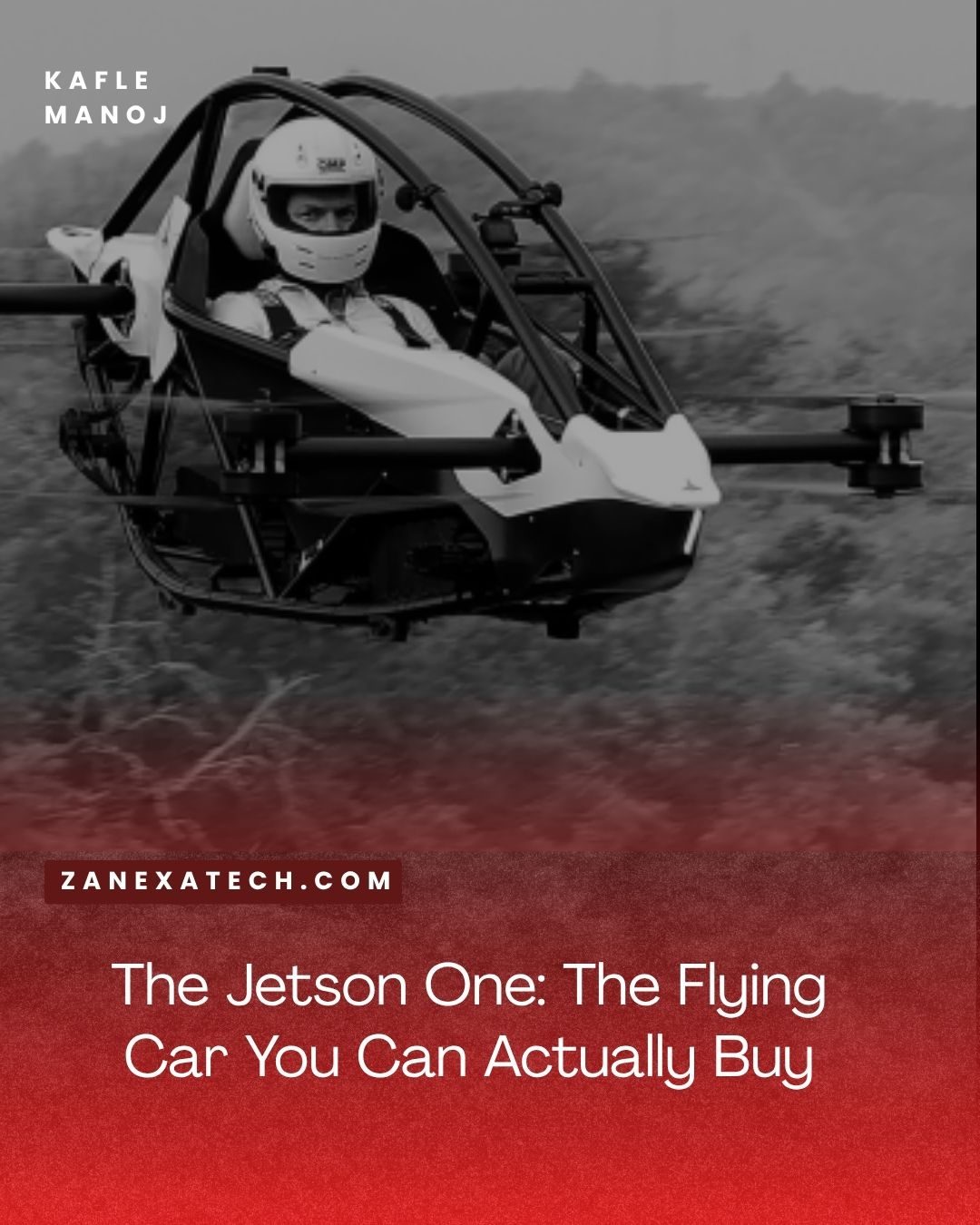
- Top Speed: 100 km/h (20-minute flight time)
- Price: $148,000 USD
- Availability: Entire production run is sold out through 2027
Built from race-car-grade aluminum and carbon fiber, it resembles a giant drone with a seat in the center. You fly it using two intuitive joysticks that feel exactly like a video game controller. Safety is paramount: it features collision-avoidance sensors, can fly safely even if a motor fails, and includes a ballistic parachute for extreme emergencies.
Because it falls under the ultralight aircraft category in the United States, anyone can legally fly it.
The Future is Already Here
We have moved past the era of dreaming about personal flight. These eight machines prove that human imagination has almost no limits when it comes to transportation. In the years ahead, seeing vehicles like these in the skies above our cities will shift from science fiction to everyday reality.
Which of these 8 flying machines would you be willing to climb aboard tomorrow? Let us know in the comments below!
- Best Phone Mount for Delivery Drivers (2026 In-Depth Guide)
- 8 Incredible Personal Flying Vehicles That Actually Exist (And You Can Buy One)
- Useful Simplicity: How the Honda N-Box Beats the Global EV Trend to Rule Japan’s Roads
- The BYD Bombshell: How a Former Battery Workshop Is Out-Pacing Tesla and Re-Engineering the Auto Industry
- Best Budget Mobile Phone with Good Camera (2026 Buying Guide)