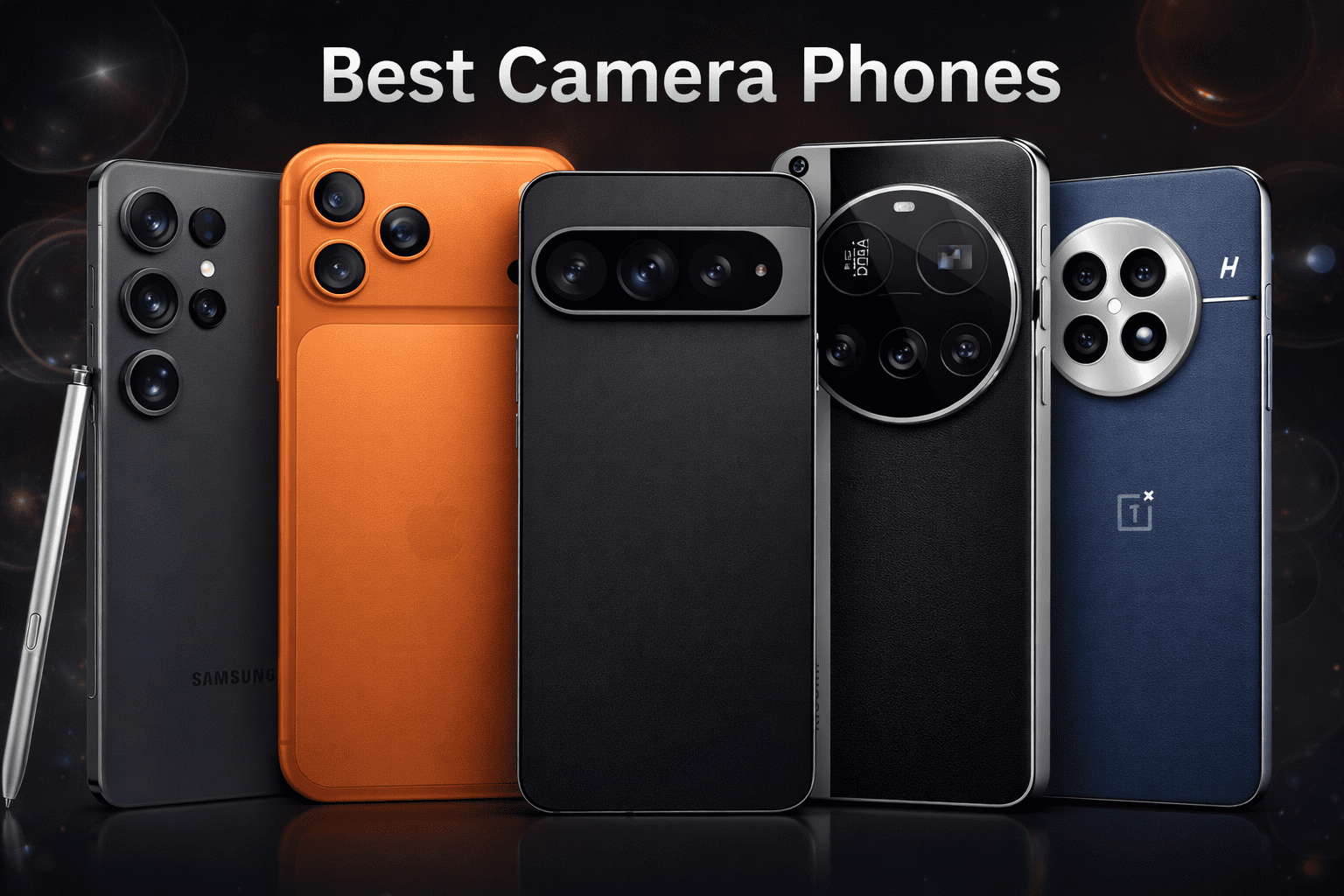
We have all been there—you try to capture a perfect sunset, a fast-moving pet, or a spontaneous moment with friends, only to look at your gallery and find a blurry, washed-out mess. For a long time, buying an affordable smartphone meant accepting that your photos would just be “okay.” But in 2026, the landscape has completely shifted. You no longer need to spend a thousand dollars just to get a device capable of shooting professional-looking photos and crisp videos.
Why camera quality matters even on budget smartphones
Your smartphone is likely the only camera you carry with you every single day. Whether you are snapping quick memories, scanning documents for work, or trying to build a following on social media, camera quality is non-negotiable. Even on a budget, you need a reliable lens that doesn’t completely fall apart the second the sun goes down. For content creators managing YouTube channels or websites, having a dependable pocket camera means you can shoot B-roll, capture thumbnail assets, and record high-quality vlog segments without hauling around heavy gear.
How smartphone cameras have improved dramatically
The massive leap in budget smartphone camera quality isn’t just about packing more megapixels into the device. The real magic happening right now is in computational photography. Budget phones are now leveraging powerful AI algorithms and better image signal processors to instantly correct exposure, balance shadows, and sharpen details the moment you press the shutter button. Combined with larger physical sensors that let in more light and Optical Image Stabilization (OIS) becoming a standard feature, the gap between a mid-range phone and a premium flagship has never been narrower.
What this guide covers
In this comprehensive guide, we are going to break down the absolute best budget camera phones under $300 and $400. We will dive deep into their daylight performance, low-light capabilities, video recording strengths, and overall value. By the end of this read, you will know exactly which device fits your personal shooting style and your wallet.
Quick recommendations
If you are in a rush and just want the bottom line: The Google Pixel 9a remains the absolute champion for pure still photography thanks to its unbeatable software processing. However, if you are looking for an all-around workhorse that balances a great camera with excellent battery life and video capabilities, the Samsung Galaxy A56 and the OnePlus Nord 5 are spectacular alternatives.
Quick Comparison Table
| Phone | Camera Setup | Display | Battery | Processor | Best For | Price Estimate |
| Samsung Galaxy A56 | 50MP Main (OIS), 12MP Ultrawide | 6.6″ AMOLED | 5000mAh | Exynos Mid-range | All-Around Reliability | ~$350 |
| Google Pixel 9a | 48MP Main, 13MP Ultrawide | 6.1″ OLED | 4500mAh | Tensor G4 | Pure Photography | ~$399 |
| Nothing Phone (3a) | 50MP Main, 50MP Telephoto | 6.7″ AMOLED | 5000mAh | Snapdragon 7 Gen 3 | Unique Style & Zoom | ~$380 |
| OnePlus Nord 5 | 50MP LYT-700, 8MP Ultrawide | 6.7″ 144Hz OLED | 6800mAh | Snapdragon 8s Gen 3 | Content Creators & Gaming | ~$390 |
| Redmi Note 15 Pro | 200MP Main, 8MP Ultrawide | 6.67″ 1.5K AMOLED | 6500mAh | Snapdragon 7s Gen 4 | Spec Enthusiasts | ~$320 |
| CMF Phone 2 Pro | 50MP Main (OIS) | 6.7″ AMOLED | 5000mAh | MediaTek Dimensity | Ultra-Budget Buyers | ~$250 |
Best Budget Mobile Phone with Good Camera
1. Samsung Galaxy A56
When you pick up the Samsung Galaxy A56, it immediately feels like a device that punches well above its weight class. Samsung has mastered the art of delivering a crowd-pleasing color science, meaning the photos you take are instantly ready for social media with vibrant skies, lush greens, and flattering skin tones.
Camera Performance
The 50MP main sensor handles daylight effortlessly, preserving a fantastic amount of detail without over-sharpening the image. Thanks to the inclusion of OIS, it’s quite forgiving if your hands are a bit shaky, ensuring that indoor and evening shots remain relatively crisp.
Battery Life
With its 5000mAh battery, you can easily spend an entire afternoon shooting photos and recording 4K video clips without reaching for a power bank. It’s optimized incredibly well, getting you through a heavy day of usage with juice to spare.
- Pros: Beautiful, saturated color processing; long-lasting battery; guaranteed long-term software updates.
- Cons: Charging speeds are noticeably slower than its Chinese competitors; low-light shots can sometimes look slightly smoothed over.
- Who Should Buy It: Anyone who wants a reliable, familiar smartphone experience. It is the perfect budget Android phone with a good camera for everyday users who just want to point, shoot, and get a great result.

2. Google Pixel 9a
Google has dominated the budget photography conversation for years, and the Pixel 9a defends that crown fiercely. While other brands try to win you over with massive megapixel counts and extra lenses, Google relies on its Tensor G4 chip and industry-leading computational photography to do the heavy lifting.
Camera Performance
The 48MP primary sensor captures images with an almost shocking amount of dynamic range. Even if you are shooting directly against a bright sky, the Pixel 9a perfectly balances the shadows and highlights.
AI Camera Features
Where this phone truly shines is in its AI capabilities. Features like Magic Eraser, Photo Unblur, and Best Take allow you to manipulate and rescue photos after you’ve taken them in ways that feel like pure magic. It is essentially having a professional photo editor built directly into your gallery app.
- Pros: Unmatched still image quality; incredibly smart AI editing tools; fantastic portrait mode edge detection.
- Cons: Battery life is just average; video recording can sometimes look slightly grainy in dim lighting.
- Who Should Buy It: If you are searching for the absolute best camera phone under $400 and care strictly about still photography, this is your only real choice.
3. Nothing Phone (3a)
Nothing has carved out a unique space in the smartphone market by focusing on aesthetics and a clean software experience, but the Phone (3a) proves they are taking photography seriously now, too.
Camera Samples & Video Recording
Looking at camera samples from the Phone (3a), the standout feature is its surprisingly capable 50MP telephoto lens—a massive rarity in this price bracket. This allows you to get natural, optical compression for portrait shots that digital zoom simply cannot replicate. Video recording is robust, offering stable 4K footage that looks punchy and vibrant, though it can struggle slightly with focus hunting in busy environments.
- Pros: Standout transparent design with Glyph interface; inclusion of a dedicated telephoto lens; incredibly smooth UI.
- Cons: Image processing can occasionally be inconsistent across different lighting scenarios.
- Best For: Creatives and tech enthusiasts who want a low price phone with a great camera that doesn’t look like every other glass slab on the market.
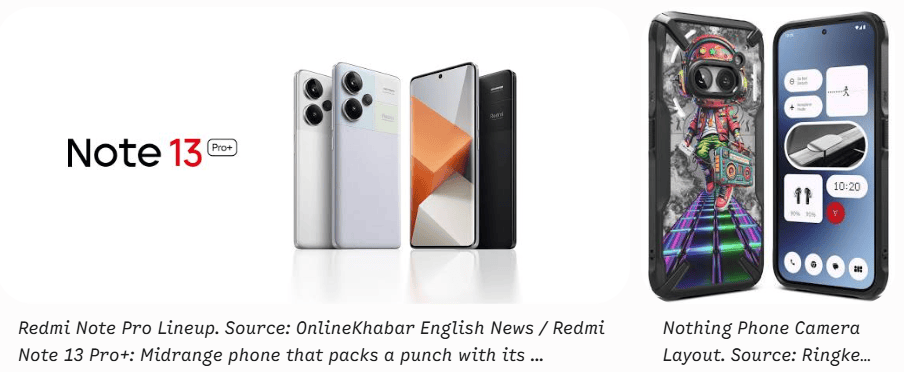
4. OnePlus Nord 5
The OnePlus Nord 5 is a powerhouse disguised as a budget phone. By utilizing the Sony LYT-700 sensor alongside a flagship-tier Snapdragon processor, it processes images at blazing speeds, meaning you will rarely miss a crucial shot due to shutter lag.
Camera Quality & Low-Light Performance
In daylight, the camera quality is exceptionally sharp with natural color science. However, its low-light performance is where it really flexes. The larger sensor pulls in a tremendous amount of ambient light, allowing for night shots that are remarkably free of digital noise, even in dimly lit cafes or bustling evening streets.
- Pros: Blazing fast performance; massive 6800mAh battery; gorgeous 144Hz display for reviewing media.
- Cons: The ultrawide lens is a noticeable step down in quality compared to the main sensor.
- Who Should Buy It: This is the ultimate budget phone for content creators who need to edit videos on their device, play heavy games, and still capture stunning night-time photography.
5. Redmi Note 15 Pro
Xiaomi’s Redmi line is famous for throwing jaw-dropping specifications at budget prices, and the Note 15 Pro continues that legacy by packing a staggering 200MP main sensor into a highly affordable chassis.
Daylight Photos & Night Mode
In bright daylight, those 200 megapixels allow you to take a photo and aggressively crop into the image without losing much detail. It’s fantastic for landscape shots. The night mode relies heavily on pixel-binning (combining multiple pixels into one to capture more light), which brightens up dark scenes impressively, though it can sometimes look a little artificial.
- Pros: Incredible level of detail in well-lit environments; ultra-fast charging; gorgeous 1.5K display.
- Cons: The software experience is cluttered with bloatware and unnecessary pre-installed apps.
- Value for Money: It offers undeniable hardware value, making it a brilliant choice for spec-chasers looking for a budget smartphone camera comparison winner on paper.
6. CMF Phone 2 Pro
The CMF Phone 2 Pro (a sub-brand of Nothing) is the wild card of the bunch, targeting the ultra-budget segment while refusing to compromise on the primary shooting experience.
Camera Review & Best Budget Choice
While it sheds some of the premium build materials to keep costs down, it retains a highly capable 50MP main sensor equipped with OIS. The camera review for this device is overwhelmingly positive for its price bracket, delivering clean, contrast-heavy photos that look fantastic. It doesn’t have the AI tricks of the Pixel or the zoom of the Nothing 3a, but for pure fundamental photography, it excels.
- Pros: Unbeatable price-to-performance ratio; highly customizable physical design; clean software.
- Cons: Secondary cameras are practically useless; no wireless charging.
- Who Should Buy It: Anyone strictly looking for the best camera phone under $300 who refuses to overspend.
Camera Comparison
Daylight Photography
When the sun is out, almost all of these phones perform admirably, but they handle the data differently.
- Sharpness: The Redmi Note 15 Pro takes the lead purely due to its massive 200MP resolution, allowing for extreme cropping.
- Dynamic Range: The Google Pixel 9a is the undisputed winner here, easily managing high-contrast scenes without blowing out the sky or crushing the shadows.
- Color Accuracy: The OnePlus Nord 5 leans toward a very natural, true-to-life look, whereas the Samsung Galaxy A56 pushes saturation to make photos “pop” instantly.
Night Photography
Low light separates the good sensors from the great ones.
- Noise and Detail: The OnePlus Nord 5 and Pixel 9a pull ahead significantly. The Pixel uses multi-frame exposure to magically pull light out of the dark, while the Nord relies on its superior Sony sensor to keep digital grain to an absolute minimum.
- Exposure: The Samsung Galaxy A56 handles streetlights and neon signs well, avoiding the lens flare that occasionally plagues cheaper lenses.
Selfie Camera Comparison
Front-facing cameras are crucial for vloggers and social media enthusiasts.
- Portrait Mode & Skin Tones: The Google Pixel 9a offers the most accurate and inclusive skin tone rendering, ensuring you look like you. Its edge detection around hair and glasses is flawless. The Samsung Galaxy A56 is a close second, offering great clarity for video calls and slightly smoothed, flattering selfies right out of the box.
Video Recording Quality
If you are shooting video content for YouTube or TikTok, you need reliability.
- 4K support & Stabilization: Both the OnePlus Nord 5 and Samsung Galaxy A56 support 4K recording with excellent OIS (Optical) and EIS (Electronic) stabilization working together to remove footsteps and hand jitters.
- HDR & Audio recording: The Pixel 9a handles HDR video beautifully, shifting exposure smoothly as you pan from dark to light areas, and its built-in microphones isolate voice incredibly well, which is vital for impromptu vlogging.
Things to Consider Before Buying
Camera Sensors
When looking at the spec sheet, don’t just blindly follow the highest numbers.
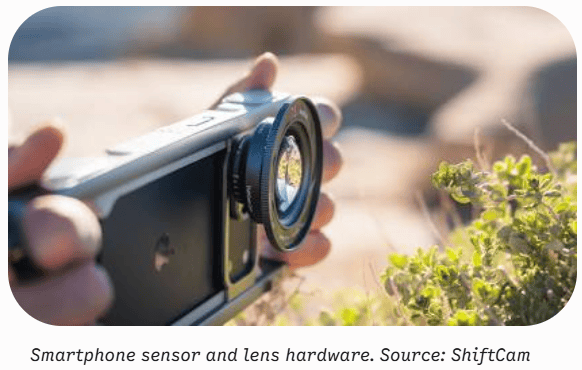
- Megapixels vs sensor size: A larger physical sensor (like a 1/1.5-inch sensor) is often much more important than raw megapixels because it physically catches more light.
- OIS vs EIS: Always ensure your primary camera has OIS. While EIS uses software to crop and stabilize video, OIS physically moves the lens to absorb hand shakes, which is critical for sharp night photography.
- Aperture: A lower f-stop number (like f/1.8) means the lens opening is wider, letting in more light and creating a natural, professional-looking blur behind your subject.
Processor
You might wonder why the phone’s brain matters for photography. The processor contains the Image Signal Processor (ISP). A faster, more advanced chip like the Snapdragon 8s Gen 3 in the OnePlus means there is zero delay between pressing the button and capturing the photo, and it can process complex HDR algorithms instantly.
Display
If you are tweaking your photos in Lightroom or Snapseed, you need an accurate screen. Look for an AMOLED or OLED display. Because these screens can turn off individual pixels to create perfect blacks, they offer infinite contrast, ensuring the edits you make on your phone will look exactly the same when viewed on a larger monitor or television.
Battery Life
Photography and video recording are among the most battery-intensive tasks you can ask a phone to do. Having the screen on maximum brightness while processing 4K video will drain a small battery in hours. Devices packing 5000mAh to 6800mAh are highly recommended if you plan on shooting extensively.
Storage
High-resolution photos and 4K videos are massive files. While 128GB sounds like a lot, it will fill up incredibly fast once you start saving video drafts and uncompressed images. Paying a slight premium to jump to 256GB of internal storage is almost always worth the investment for a content creator.
Which Phone Is Best for Different Users?
- Best Overall: The Samsung Galaxy A56 strikes the perfect balance of a beautiful display, long-term reliability, and a camera that produces consistently great results without requiring you to tinker with pro settings.
- Best Camera: Without a doubt, the Google Pixel 9a. It takes flagship-level photos and packages them into a budget-friendly body.
- Best Battery: The OnePlus Nord 5 with its massive 6800mAh cell ensures you can game, shoot video, and browse all day without ever feeling battery anxiety.
- Best for Gaming: Again, the OnePlus Nord 5 takes this crown thanks to its flagship-tier Snapdragon processor and ultra-smooth 144Hz display.
- Best Value: The CMF Phone 2 Pro provides the absolute essential camera features, including OIS, at a price point that undercuts almost everyone else on the market.
- Best for Video Recording: The Samsung Galaxy A56 offers the most stabilized, vibrant, and reliable 4K video for casual shooters and budding vloggers alike.
- Best Selfies: The Google Pixel 9a handles complex skin tones and harsh backlighting better than any other front-facing camera on this list.
Frequently Asked Questions
Which budget phone has the best camera?
Currently, the Google Pixel 9a holds the title for the best still photography due to its advanced AI processing and superior dynamic range.
Is a 50MP camera better than a 200MP camera?
Not inherently. A high-quality 50MP sensor with a larger physical footprint and better software processing will consistently outperform a cheap 200MP sensor that struggles to gather light.
Are Google Pixel budget phones worth buying?
Absolutely. Google’s “A-series” phones often feature the exact same main camera sensor and processor as their much more expensive flagship counterparts, making them incredible bargains.
Which budget phone records the best video?
The Samsung Galaxy A56 and OnePlus Nord 5 provide excellent video recording, offering a great blend of high resolution, optical stabilization, and clear audio capture.
Can budget phones take DSLR-like photos?
While physical lenses on a DSLR will always offer superior natural depth of field, budget phones now use advanced portrait modes and AI to mimic that look so well that most people cannot tell the difference on social media.
Which phone is best for Instagram and TikTok?
The Google Pixel 9a and Samsung Galaxy A56 integrate exceptionally well with social media apps, meaning the quality you see in your camera viewfinder is the quality that actually gets uploaded to your feed.
Final Verdict
Navigating the smartphone market can be overwhelming, but 2026 has provided us with some of the best affordable tech we have ever seen.
To summarize our top recommendations: If you want the Best Overall experience that balances a gorgeous screen with great software, pick up the Samsung Galaxy A56. If your sole focus is having the Best Camera to capture stunning, professional-grade still photos, you absolutely cannot beat the Google Pixel 9a. Power users seeking the Best Battery and gaming performance should look no further than the OnePlus Nord 5, while the CMF Phone 2 Pro stands as the undeniable king of Best Value for Money. For those building a brand, the OnePlus Nord 5 and its massive storage and processing power make it the best choice for Content Creators.
Ultimately, the best budget mobile phone with a good camera is the one that fits your specific daily workflow and budget. Before making your final decision, be sure to explore our deeper technical audits and Smartphone Buying Guides here on Zanexatech.com to ensure you are getting the absolute most out of your next tech investment!
Check latest posts:
- Best Phone Mount for Delivery Drivers (2026 In-Depth Guide)
- 8 Incredible Personal Flying Vehicles That Actually Exist (And You Can Buy One)
- Useful Simplicity: How the Honda N-Box Beats the Global EV Trend to Rule Japan’s Roads
- The BYD Bombshell: How a Former Battery Workshop Is Out-Pacing Tesla and Re-Engineering the Auto Industry
- Best Budget Mobile Phone with Good Camera (2026 Buying Guide)